

LinkedIn Marketing for B2B: How to Reach the Right Business Audience
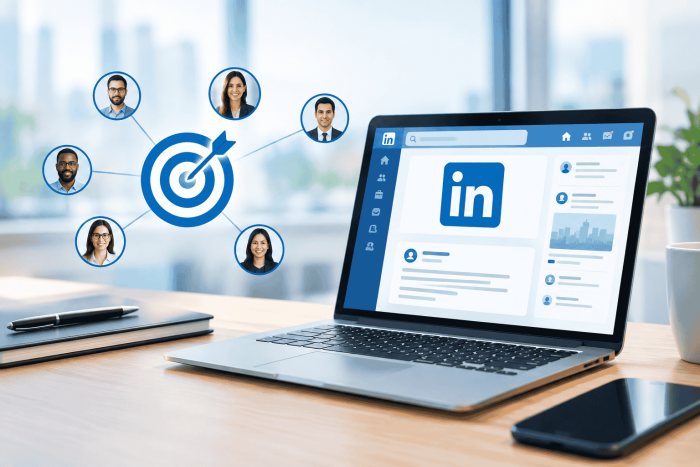
B2B marketing is not just about reaching more people. It is about reaching people who have a reason to care about what your business offers.
LinkedIn is designed around professional identities, companies and industries. This makes it one of the best platforms for B2B marketing when your goal is to reach decision-makers, build credibility and start relevant business conversations.
But a company page alone isn’t enough.
Effective B2B LinkedIn marketing requires a clear audience, useful content, consistent activity, and regular measurement. Here is how businesses can use LinkedIn more effectively.
Why Is LinkedIn Important for B2B Marketing?
LinkedIn gives businesses access to a professional audience in a context where people are already thinking about work, industries, careers and business decisions.
Unlike platforms that are mainly used for entertainment or personal updates, LinkedIn allows B2B companies to communicate with people based on factors such as their industry, company, role and professional interests.
This makes the platform useful for several B2B goals, including:
- Increasing brand awareness
- Building authority within an industry
- Sharing company expertise
- Generating leads
- Promoting reports, webinars and other resources
- Supporting recruitment and employer branding
- Building relationships with potential clients and partners
The right objective will depend on what your business actually wants LinkedIn to achieve.
How Does LinkedIn Marketing for B2B Work?
A good LinkedIn strategy connects four things: the audience you want to reach, the problems they care about, the content you publish and the action you want them to take.
For example, a business targeting finance directors should not publish generic posts about its services every week. It could instead address specific cost, compliance or operational challenges that finance leaders regularly deal with.
This gives people a reason to read the content before you ask them to consider the service.
1. Define Who You Want to Reach
Start with the people involved in buying or influencing the purchase of your product or service.
Consider their:
- Job function
- Seniority
- Industry
- Company type
- Business challenges
- Information needs
- Role in the buying process
Your audience may also include more than one person within the same organisation.
A software purchase, for example, could involve operational teams, IT, finance and senior management. Content can therefore be created for different people at different stages of the decision.
2. Build a Complete LinkedIn Company Page
Your company page is often one of the first places someone will look when they encounter your business on LinkedIn.
Make it immediately clear what your company does and who it serves.
Pay attention to your company description, industry information, website link, profile image and cover image. Keep the page information accurate and update it whenever important business details change.
Avoid filling the description with broad claims. A visitor should be able to understand your business without having to interpret marketing language.
What Should B2B Companies Post on LinkedIn?
One of the biggest mistakes businesses make is treating LinkedIn like an advertising board.
If almost every post says “choose us”, “contact us” or “discover our services”, there is little reason for someone to keep following the page.
Useful B2B content can include:
Industry Insights
Discuss changes, challenges and developments that matter to your target audience. Explain what they mean rather than simply repeating industry news.
Practical Advice
Answer the questions customers commonly ask your sales or service teams.
Simple how-to posts, checklists and explanations can demonstrate expertise while giving the reader something useful.
Original Research and Data
If your business has reliable first-party research, survey findings or anonymised data that can be shared responsibly, turn it into understandable insights.
Always explain where the data comes from and provide enough context for readers to interpret it correctly.
Case Studies
Case studies can show how a business approached a real problem and what happened as a result.
Focus on the challenge, approach and verified outcome. Avoid exaggerated results or unsupported claims.
Expert Perspectives
LinkedIn also provides an opportunity to make expertise visible through the people within a business.
Subject specialists can explain industry issues, answer common questions or share informed perspectives based on their area of work.
Use Different Content Formats
Not every idea needs to become the same type of post.
LinkedIn supports formats including text posts, images, videos, documents, newsletters and articles. The appropriate format depends on the information being communicated.
A short observation may work as a text post. A detailed process might be easier to understand as a document. A subject that needs further explanation may suit an article or video.
Rather than choosing a format because it is popular, consider which one makes the information easiest for your audience to consume.
Review What Is Actually Working
Publishing regularly is only one part of LinkedIn marketing.
Businesses also need to understand what happens after a post goes live.
A regular social media audit can help you assess which topics and formats are performing well, where engagement is coming from and whether your LinkedIn activity supports wider marketing objectives.
Metrics should align with the purpose of the content.
If your objective is awareness, reach and impressions may be useful indicators. If you want people to visit your website, clicks and referral traffic become more relevant. For lead generation, you need to look further down the journey at enquiries and qualified leads.
A post receiving plenty of reactions does not automatically mean it contributed to a business result.
Should B2B Businesses Use LinkedIn Ads?
Paid LinkedIn campaigns can complement organic activity when you need to reach a more defined professional audience.
LinkedIn advertising offers targeting options based on professional characteristics such as job title, company, industry and seniority.
Businesses can use campaigns for objectives including brand awareness, website visits and lead generation.
However, targeting alone will not make a campaign effective.
The offer, message and landing page still need to match the audience. A highly targeted advertisement leading to a vague or irrelevant page is unlikely to produce a strong user journey.
Connect LinkedIn With Your Wider Marketing Strategy
LinkedIn should not operate separately from the rest of your digital marketing.
Someone may discover your company through a LinkedIn post and then search for the brand on Google. Another person might find an article through search and later encounter the company again on LinkedIn.
Your website, search presence, social content and other digital channels therefore need to communicate a consistent message.
For B2B companies, this also means creating useful website content that answers the questions potential customers are researching. Social media can introduce the expertise, while search-friendly website content gives people somewhere to explore the subject in greater detail.
Common LinkedIn B2B Marketing Mistakes
A few simple mistakes can make it difficult to build meaningful results from LinkedIn.
Posting Without a Clear Audience
Trying to speak to everyone usually leads to generic content. Know exactly who each post is intended to help.
Making Every Post Promotional
People do not need another version of your sales page in their feed. Give them useful information before expecting an action.
Focusing Only on Follower Numbers
Follower growth can provide context, but it does not tell you whether those followers are relevant to your business.
Publishing Without Reviewing Performance
Your LinkedIn strategy should change as you learn what your audience responds to. Review performance regularly and use those findings to improve future content.
Ignoring the Website Experience
Getting someone to click is only part of the journey. Make sure the page they reach is relevant, easy to understand and provides a logical next step.
Build a LinkedIn Strategy Around Business Goals
Successful B2B LinkedIn marketing starts with a simple question: what should LinkedIn help the business achieve?
Once that is clear, businesses can define their audience, choose relevant topics, create useful content and measure the results that actually matter.
LinkedIn can help introduce potential customers to your expertise, but it is rarely the only place where a B2B decision happens. Combining social activity with a useful website and strong search visibility can create a more connected digital presence. Working with experienced social media experts in Abu Dhabi can also help businesses ensure that the content people discover through social media is supported by relevant, search-friendly website content.
FAQs
Is LinkedIn good for B2B marketing?
Yes. LinkedIn is built around professional profiles and company information, making it particularly relevant for businesses that want to reach professional and organisational audiences. Its effectiveness still depends on your target market, offer and marketing objectives.
What should a B2B company post on LinkedIn?
B2B companies can publish industry insights, practical advice, case studies, original research, company updates and expert perspectives. Content should address subjects that are genuinely relevant to the intended audience rather than focusing entirely on promotion.
How often should a B2B business post on LinkedIn?
There is no single posting frequency that works for every business. Choose a schedule your team can maintain while keeping the content useful. Review performance over time and adjust the frequency based on your audience and available resources.
Is LinkedIn better for organic or paid B2B marketing?
Both can serve different purposes. Organic content can help businesses maintain a presence and demonstrate expertise, while paid campaigns can extend reach to defined professional audiences. Many businesses use the two together as part of a wider strategy.
How do you measure B2B LinkedIn marketing?
The right metrics depend on your objective. Businesses can monitor reach, impressions, engagement, clicks, website traffic, enquiries and leads. Avoid judging success from a single metric such as likes or follower numbers.